The Unfolding of the True Self
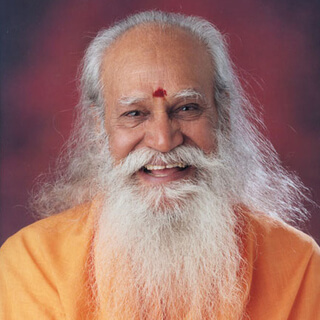
Swami Satchidananda's assertion, "They do not create the Self," invites us to reconsider the very nature of our existence and identity. This statement suggests that the essence of who we are is not something that can be manufactured or constructed through external means. Instead, it implies a deeper recognition of the Self that is already present within us, waiting to be unveiled. Understanding this distinction is crucial, as it shifts our focus from a pursuit of self-creation to a journey of self-discovery, which holds profound implications for our spiritual growth and personal fulfillment.
In a world that often equates identity with achievement, possessions, and social status, Satchidananda's words serve as a gentle reminder of the intrinsic nature of the Self. This perspective challenges the prevailing narrative that we must constantly strive to become someone or something more. Instead, it invites us to turn inward, to peel back the layers of conditioning and expectation, and to recognize the unchanging essence that resides within. This journey of recognition is not merely philosophical; it is a transformative practice that can lead to a more authentic and meaningful existence.
The image / the metaphor
The phrase "They do not create the Self" evokes a powerful image of the Self as something inherently whole and complete, rather than a product of external influences. The verb "create" implies an act of construction, suggesting that the Self is a mere artifact shaped by experiences, relationships, and societal norms. However, Satchidananda's assertion reframes this notion, positioning the Self as an eternal truth that exists independently of the transient aspects of life. This imagery invites us to envision the Self not as a sculpture to be carved but as a radiant light that simply needs to be uncovered.
In the speaker's tradition
Swami Satchidananda's teachings are deeply rooted in the tradition of integral yoga, which emphasizes the holistic integration of body, mind, and spirit. Within this framework, the concept of the Self is often explored through the lens of dharma, or one's true purpose in life. Recognizing that the Self is not a construct but a divine essence aligns with the yogic understanding of sunyata, or emptiness, which teaches that our true nature transcends the ego and its attachments. This perspective encourages practitioners to cultivate a sense of detachment from the transient aspects of life, allowing for a more profound connection to the eternal Self.
In his work, Satchidananda often references the idea of kenosis, or self-emptying, which complements the notion that the Self is not created but revealed. This concept invites individuals to let go of preconceived notions and societal expectations, creating space for the authentic Self to emerge. A relevant text that echoes this sentiment is the Bhagavad Gita, where Krishna guides Arjuna to recognize his true nature beyond the roles and identities imposed by the world. Such teachings reinforce the understanding that the journey toward self-realization is one of peeling away layers rather than constructing a new identity.
Living the teaching
Consider a modern scenario where an individual feels overwhelmed by societal pressures to achieve success and recognition. This person may find themselves caught in a cycle of striving for external validation, believing that their worth is tied to their accomplishments. In this context, Satchidananda's teaching serves as a powerful antidote, encouraging the individual to pause and reflect on their intrinsic value. By shifting the focus from external achievements to inner recognition, they can begin to cultivate a sense of peace and fulfillment that is independent of external circumstances.
Another application of this teaching can be seen in relationships, particularly during moments of conflict or misunderstanding. When we perceive ourselves as separate entities, we may react defensively, seeking to protect our constructed identities. However, by embracing the idea that "they do not create the Self," we can approach conflicts with a sense of openness and compassion. This perspective allows us to see beyond the surface-level disagreements and recognize the shared essence that connects us all, fostering deeper understanding and connection in our relationships.
A reflection
As we contemplate the profound implications of Swami Satchidananda's words, we are invited to engage in a reflective practice. Consider this question: In what ways have I allowed external influences to shape my understanding of who I am? This inquiry encourages us to examine the layers of identity we have constructed and to explore the possibility of uncovering the authentic Self that lies beneath. By embracing this journey of self-discovery, we can move toward a more profound sense of peace and fulfillment, rooted in the recognition of our true nature.



Join the BrightStar Community
Stay connected with daily inspiration, event announcements, and community wisdom