The Freedom Found in Simplicity
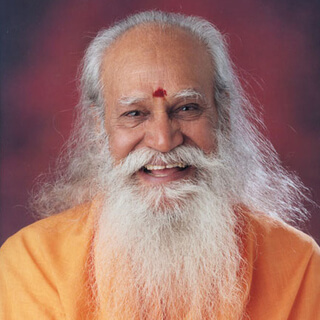
Swami Satchidananda's succinct declaration, "Less possessions, more freedom," invites us to reconsider the weight of our material belongings and the liberation that simplicity can bring. In a world often defined by consumerism and the relentless pursuit of more, this statement serves as a profound reminder of the spiritual and emotional burdens that possessions can impose. The essence of this teaching is not merely about decluttering our physical spaces but about liberating our minds and spirits from the attachments that bind us.
As we delve deeper into this quote, we uncover layers of meaning that resonate with the human experience. The notion of freedom is intrinsically linked to our ability to let go—of not just material items, but also of the emotional and psychological ties that often accompany them. This teaching challenges us to reflect on what truly constitutes freedom in our lives and how our possessions may obscure our path to a more authentic existence. In this exploration, we find an invitation to embrace simplicity as a pathway to deeper joy and fulfillment.
The image / the metaphor
At its core, the quote evokes a powerful image of liberation through simplicity. The juxtaposition of "less possessions" against "more freedom" creates a vivid contrast that compels us to visualize the weight of our belongings. Each possession can be seen as a tether, anchoring us to a particular identity or status, while freedom suggests a state of being unencumbered and open to possibilities. The verbs chosen—"less" and "more"—imply a deliberate choice, a conscious decision to prioritize what truly matters over the superficial accumulation of goods.
Diving deeper into the metaphor, we can perceive possessions not merely as physical objects but as symbols of attachment and desire. Each item we hold onto can represent a story, a memory, or a fear of loss, which can cloud our ability to experience the present fully. By shedding these layers, we create space for a more profound connection to ourselves and the world around us. This metaphorical journey from possession to freedom invites us to explore the essence of our being, urging us to seek fulfillment beyond the material realm.
In the speaker's tradition
Swami Satchidananda's teachings are deeply rooted in the philosophy of integral yoga, which emphasizes the harmonious integration of body, mind, and spirit. Within this framework, the concepts of dharma and kenosis—self-emptying—are particularly relevant. Dharma encourages us to live in accordance with our true nature and purpose, while kenosis invites us to release our attachments and ego-driven desires. Together, these principles illuminate the path toward a life characterized by freedom and authenticity, aligning perfectly with the essence of Satchidananda's quote.
Moreover, the idea of sunyata, or emptiness, found in Buddhist philosophy, resonates with this teaching. Sunyata suggests that true freedom arises from the understanding that our attachments are illusions, and by recognizing this, we can cultivate a sense of inner peace. In texts such as the Yoga Sutras of Patanjali, the emphasis on detachment (vairagya) further reinforces the notion that liberation comes from letting go of our clinging to material possessions and desires. This interconnectedness of ideas across traditions underscores the universality of Satchidananda's message.
Living the teaching
Consider a modern scenario where this teaching might resonate: a person overwhelmed by the clutter of their home, feeling trapped by the very items they once believed would bring happiness. As they begin to declutter, they discover that each item carries a memory or expectation, revealing the emotional weight they have been carrying. By consciously choosing to let go of these possessions, they experience a newfound sense of lightness and clarity, allowing them to focus on what truly brings joy and fulfillment in their life.
In relationships, this teaching can manifest in the way we hold onto emotional baggage. Imagine a friendship strained by past grievances and unspoken resentments. By embracing the principle of "less possessions," one might choose to release these burdens, fostering a space for forgiveness and renewal. This act of letting go not only liberates the individual but also opens the door for deeper connections and authentic interactions, illustrating how the teachings of simplicity and freedom can transform our relational dynamics.
A reflection
As we contemplate Swami Satchidananda's wisdom, we are invited to reflect on our own lives: What possessions or attachments are we clinging to that may be hindering our freedom? This question encourages us to engage in a personal inventory, examining not only our physical belongings but also the emotional and psychological ties that may be holding us back. In this exploration, we may find the courage to embrace simplicity, allowing us to step into a more liberated and authentic existence.


Join the BrightStar Community
Stay connected with daily inspiration, event announcements, and community wisdom